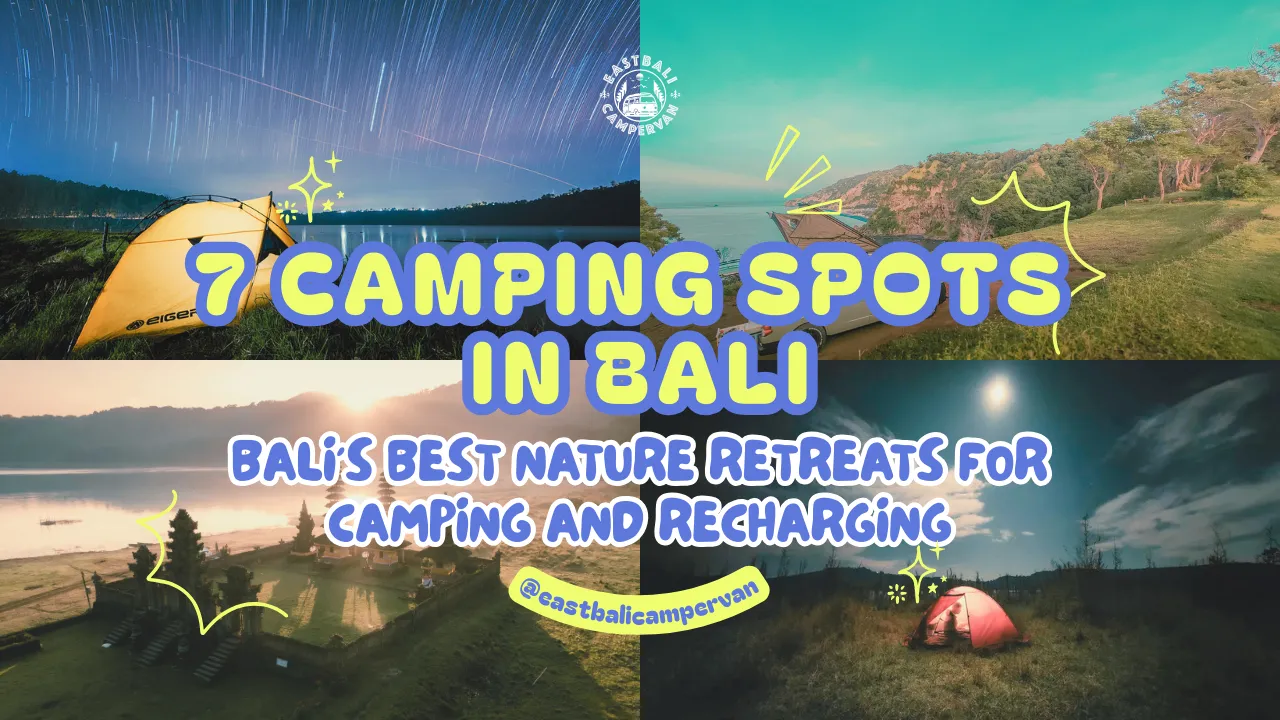
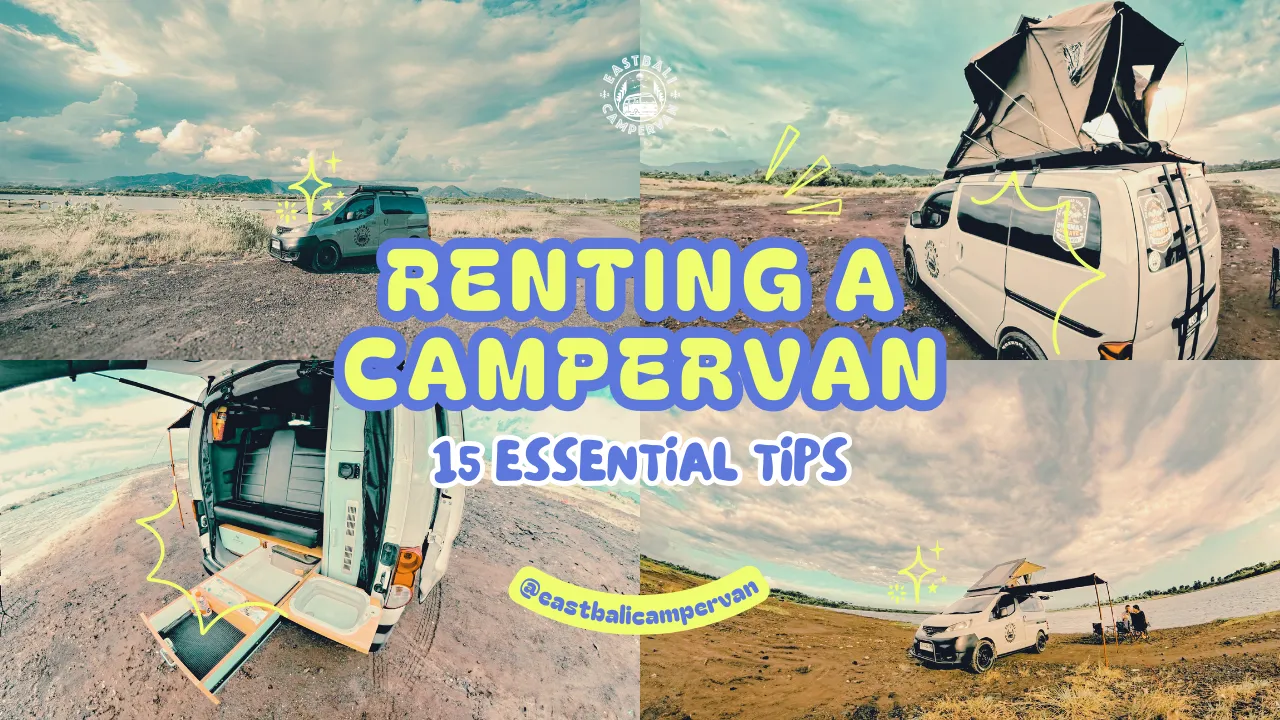
Explore Bali in 7 Days by Campervan – Roadtrip Adventure
7 Days Bali Roadtrip Itinerary. Bali is often described as an island of contrasts—sacred temples standing beside lively streets, quiet villages hidden behind rice fields, and dramatic coastlines meeting volcanic mountains. While many travelers experience Bali through resorts and day tours, there is a growing movement toward slow travel, where the journey itself becomes just as meaningful as the destination.
One of the most immersive ways to explore Bali through slow travel is by using a campervan. A campervan holiday allows travelers to move freely across the island, sleep close to nature, and experience Bali beyond fixed hotel stays. From coastal camping grounds to highland lakes and mountain viewpoints, a campervan transforms Bali into a living, breathing landscape rather than a checklist of attractions.
This 7-day Bali campervan itinerary is designed for travelers who want to explore deeply, travel mindfully, and experience Bali in a more personal and authentic way.
Why a Campervan is Perfect for Exploring Bali
A campervan holiday in Bali offers a unique balance between adventure and comfort. Instead of rushing between destinations or being bound by hotel locations, travelers can decide where to stop, how long to stay, and when to move on.
Campervan travel is especially suitable for Bali because:
Distances between regions are manageable
Scenic routes are abundant
Camping grounds are increasingly available
Nature is always close
Travelers wake up to ocean views, misty mountain air, or lakeside tranquility—all without checking in or out of accommodation.
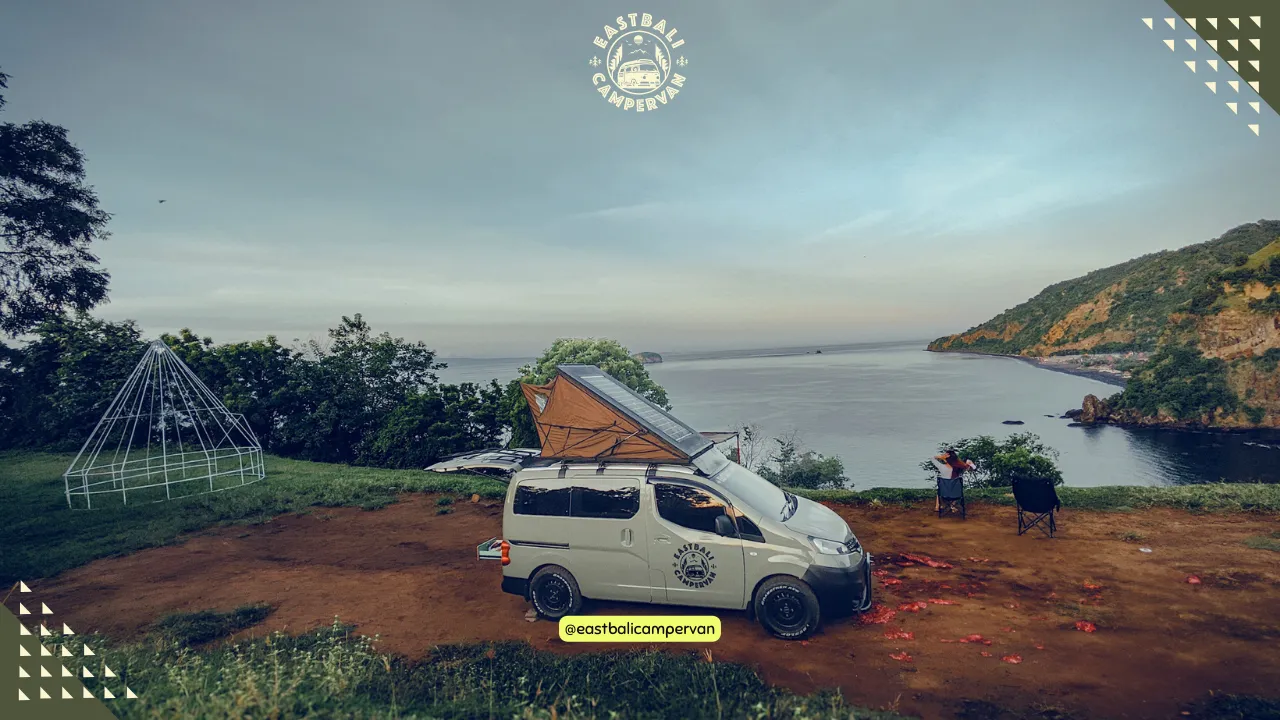
Driving a Campervan in Bali: What to Expect
Driving in Bali can feel intimidating at first, especially for travelers unfamiliar with Southeast Asian traffic. However, campervan routes are generally manageable when approached calmly.
Key Driving Tips
Drive slowly and defensively
Expect scooters everywhere, especially in towns
Use daylight hours for long drives
Avoid narrow village roads at night
Always follow local driving etiquette
Routes through East Bali, Kintamani, and Bedugul are scenic but include winding roads and elevation changes. These routes reward patient drivers with stunning views.
Food Experiences During the Campervan Journey
One of the highlights of campervan travel is the freedom to mix local dining with self-cooked meals.
Local Food Stops Worth Exploring
Sidemen: Simple warungs serving nasi campur and vegetable dishes
Amed: Fresh grilled fish and seafood
Kintamani: Warm soups and Balinese chicken dishes
Ubud: A mix of traditional and plant-based cuisine
Cooking on the Road
Campervan cooking remains simple and practical:
Instant noodles with added vegetables
Fried rice using local spices
Toast, eggs, and fruit for breakfast
Coffee made with portable stoves
Cooking outdoors, especially near beaches or lakes, becomes part of the travel experience.
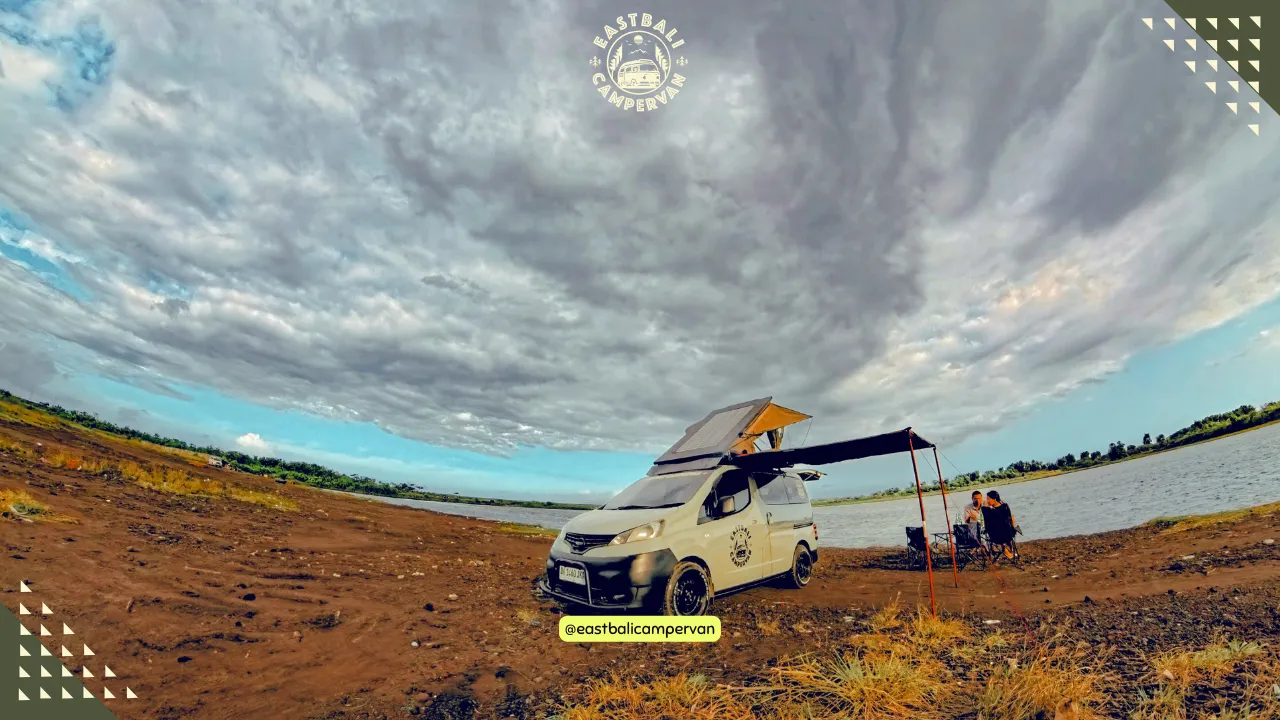
Cultural Etiquette While Camping in Bali
Camping in Bali often takes place near villages, temples, or sacred landscapes. Respect for local customs is essential.
Important Cultural Guidelines
Dress modestly near temples
Avoid loud music at night
Ask permission before entering village areas
Do not camp in restricted or sacred zones
Keep the area clean and leave no trash
By respecting local culture, campervan travelers are welcomed warmly by communities.
Day 1: Arrival in Bali – Campervan Pickup
Route: Ngurah Rai International Airport → Gianyar → Keramas Beach or Anglung River Camp
Overnight: Keramas Beach Camping Ground / Anglung River Camp
The journey begins at Ngurah Rai International Airport, where the energy of Bali is immediately felt. Instead of heading toward crowded tourist hubs, the route leads eastward to Gianyar, a region that blends culture, agriculture, and quieter landscapes.
Campervan Meeting Point at East Bali Campervan (Gianyar)
East Bali Campervan in Gianyar serves as the official meeting point and pickup location for the campervan. The location is easy to access from the airport and offers a calm environment away from traffic-heavy areas such as Kuta or Seminyak.
Upon arrival at the East Bali Campervan meeting point, travelers are welcomed and guided through a short but essential orientation. This session ensures everything is clear before hitting the road and typically includes:
Overview of campervan features and interior layout
Basic vehicle handling and safe parking tips
Electrical system usage, lighting, and charging points
Sleeping setup and mattress arrangement
Water storage, simple waste management, and cleanliness tips
This hands-on introduction helps travelers feel confident, even for those experiencing campervan travel for the first time in Bali.
Stocking Up on Camping Supplies
Before heading to the first campsite, a stop at a supermarket or local market is essential. Typical supplies include:
Drinking water and snacks
Simple ingredients for easy meals
Fresh fruit from local vendors
Coffee, tea, and sugar
Paper goods and trash bags
Buying supplies locally not only supports small businesses but also adds to the sense of travel immersion.
First Night Options: Beach or River Camping
The first night is intentionally kept close to Gianyar, allowing travelers to settle into campervan life.
Keramas Beach Camping Ground
Keramas Beach is known for its black volcanic sand and surf-friendly waves. Camping here offers a dramatic coastal atmosphere, where the sound of waves creates a natural rhythm for the evening.
Anglung River Camp
Surrounded by trees and flowing water, Anglung River Camp offers a peaceful alternative. The gentle sound of the river and the cool air provide a calming first night.
Both locations allow travelers to unwind after arrival and enjoy the novelty of sleeping outdoors.
Day 2: East Bali Exploration – Valleys, Temples, and Ancient Villages
Route: Gianyar → Sidemen → Besakih → Tenganan → Telaga Waja → Bukit Asah
Overnight: Bukit Asah Camping Ground
Day two introduces the heart of East Bali, a region known for traditional villages, dramatic landscapes, and strong cultural identity.
Sidemen Valley: Bali’s Hidden Countryside
The drive toward Sidemen Valley reveals terraced rice fields, small villages, and views of Mount Agung in the distance. Sidemen remains largely untouched by mass tourism, making it an ideal place to experience Bali’s rural charm.
Short walks through the valley offer glimpses of daily life—farmers tending rice paddies, women weaving traditional fabrics, and children playing along village paths.
Besakih Temple: Bali’s Spiritual Center
From Sidemen, the road climbs toward Besakih Temple, often referred to as the Mother Temple of Bali. Located on the slopes of Mount Agung, this vast temple complex is central to Balinese Hinduism.
The scale of Besakih reflects its importance, with multiple temples spread across terraced hills. Visitors are encouraged to dress respectfully and move slowly through the complex, allowing time to appreciate the spiritual atmosphere.
Tenganan Village: Preserving Ancient Traditions
Tenganan Pegringsingan is one of Bali’s oldest villages, known for preserving pre-Hindu Balinese traditions. The village layout, architecture, and social rules have remained largely unchanged for centuries.
Walking through Tenganan feels like stepping into a living museum, where traditions are not performed for tourists but lived daily by the community.
Telaga Waja Waterfall
After cultural exploration, Telaga Waja Waterfall offers a refreshing break. Surrounded by greenery, the waterfall provides a peaceful spot to relax before continuing toward the coast.
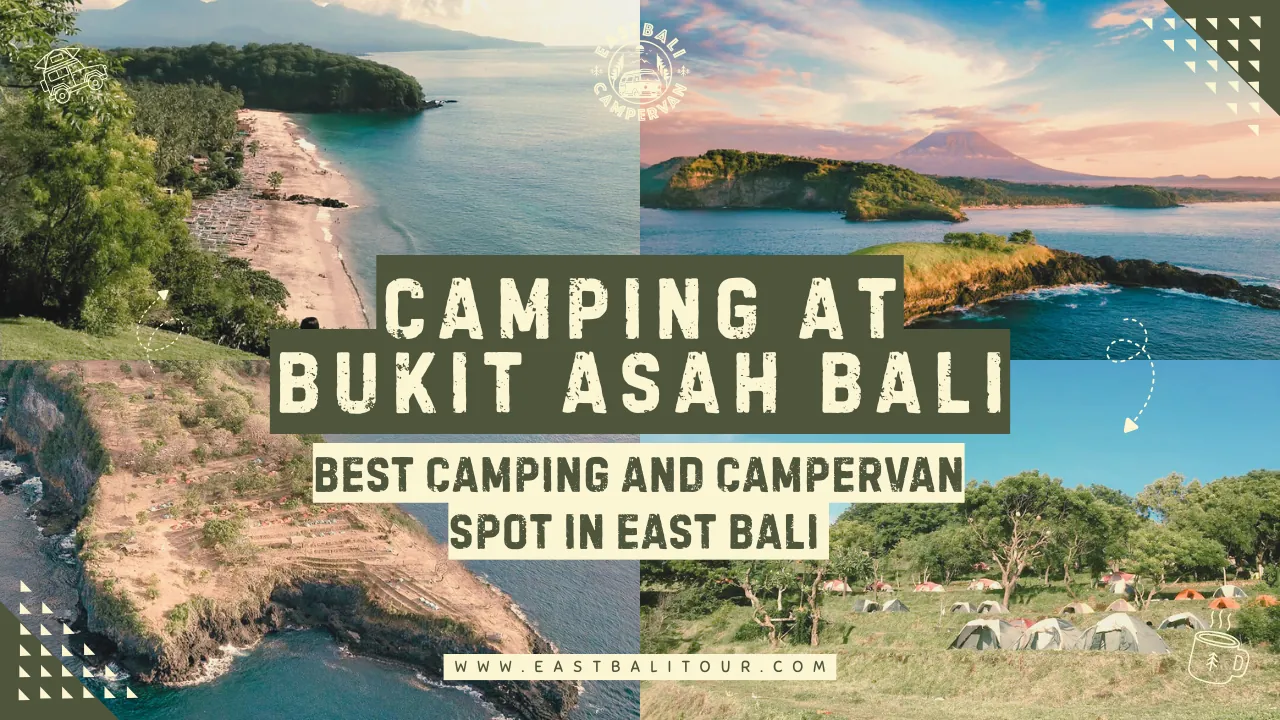
Sunset at Bukit Asah Camping Ground
The day ends at Bukit Asah Camping Ground, a cliffside campsite overlooking the ocean. As the sun sets, the sky transforms into shades of orange and purple, creating a dramatic end to the day.
Camping here offers:
Open ocean views
Cooling sea breezes
A quiet, remote atmosphere

Day 3: East Bali Icons – Beaches, Temples, and Royal Water Palaces
Route: Bukit Asah → Virgin Beach → Lempuyang Temple → Taman Ujung → Tirta Gangga → Amed
Overnight: Batu Belah Camping Spot (Amed)
Virgin Beach: A Calm Coastal Escape
Virgin Beach is one of East Bali’s most beautiful beaches. With soft white sand and clear water, it offers a relaxing start to the day. Compared to beaches in southern Bali, Virgin Beach remains relatively quiet.
Lempuyang Temple: Sacred Heights
Lempuyang Temple, often called the Gate of Heaven, is one of Bali’s most sacred sites. Located high on the mountain, it offers panoramic views and a serene atmosphere.
Despite its popularity, visiting early helps maintain a peaceful experience.
Royal Water Palaces of East Bali
Two historical landmarks highlight East Bali’s royal heritage:
Taman Ujung Water Palace
An elegant complex with ponds, bridges, and views stretching toward the sea.
Tirta Gangga
A former royal bathing complex featuring fountains, statues, and stepping stones.
Both sites showcase Bali’s artistic and architectural traditions.
Evening by the Sea in Amed
The journey continues to Amed, a coastal village known for snorkeling and tranquil beaches. Camping at Batu Belah allows travelers to rest beside the ocean, enjoying the quiet rhythm of waves at night.

Day 4: Underwater Wonders and Savanna Landscapes
Route: Amed → Tulamben → Savana Nusu → Tianyar
Overnight: Savana Tianyar Camping Ground
Tulamben Beach: Snorkeling Paradise
Tulamben Beach is famous for its shipwreck snorkeling site. The shallow waters make it accessible even to beginners, while marine life thrives around the coral-covered wreck.
Savana Nusu: Bali’s Unexpected Landscape
From the coast, the route leads inland to Savana Nusu, where rolling grasslands replace tropical forests. This unique landscape offers a striking contrast and a reminder of Bali’s geographic diversity.
Camping at Savana Tianyar
Savana Tianyar Camping Ground provides wide-open views and cooler temperatures. The lack of light pollution makes it an excellent location for stargazing.

Day 5: Kintamani Highlands and Mount Batur Experience
Route: Tianyar → Kintamani → Lake Batur
Overnight: Lemonte Sunrise Camp or Mount Batur Camping Area
Entering the Volcanic Highlands
The drive into Kintamani reveals cooler air and volcanic terrain. The scenery becomes more rugged, with black lava fields and expansive views.
Lake Batur Exploration
Lake Batur lies within a volcanic caldera and offers peaceful surroundings. Visitors can walk along the lakeshore or enjoy local food while overlooking the water.
Camping Near Mount Batur
Two camping options suit different travel styles:
Lemonte Sunrise Camp for a relaxed experience
Mount Batur Camping Area for those planning a sunrise trek
Both options provide unforgettable views of the surrounding mountains.

Day 6: Ubud’s Cultural Heart and Lake Beratan
Route: Kintamani → Ubud → Bedugul
Overnight: Cok Camping Ground, Lake Beratan
After several days of coastal views, volcanoes, and remote landscapes, Day 6 brings the journey into the cultural and spiritual heart of Bali. The route descends from the cooler highlands of Kintamani toward Ubud, before continuing north again into the misty mountains of Bedugul.
This day balances exploration, culture, and slower moments, making it one of the most rewarding parts of a campervan journey through Bali.
Discovering Ubud
Ubud has long been considered Bali’s cultural soul. Surrounded by jungle valleys, rice terraces, and rivers, the town blends traditional Balinese life with art, spirituality, and nature-based experiences.
A campervan makes it easy to explore Ubud beyond the main streets, allowing visits to both famous landmarks and quieter natural spots.
Popular experiences in and around Ubud include:
Jungle waterfalls, hidden within lush ravines, offering refreshing swims and shaded walking trails
Sacred Monkey Forest, where ancient temples sit among towering trees and long-tailed macaques roam freely
Tirta Empul Water Temple, one of Bali’s most important spiritual sites, where locals and visitors take part in traditional purification rituals
In addition to these highlights, Ubud is also known for its art galleries, local markets, yoga studios, and small cafés overlooking rice fields. Even during busy periods, it is still possible to find peaceful corners—early mornings along village roads, quiet temple courtyards, or riverside paths away from the crowds.
Travelers using a campervan often appreciate the flexibility to arrive early, park outside the busiest zones, and explore Ubud at a relaxed pace.
From Ubud to Bedugul
In the afternoon, the route continues north toward Bedugul, gradually climbing into cooler mountain terrain. The change in landscape is noticeable: dense jungle gives way to pine forests, vegetable farms, and mist-covered hills.
The drive itself is scenic, with winding roads, roadside fruit stalls, and occasional lake viewpoints appearing along the way.
Evening at Lake Beratan
By late afternoon, Lake Beratan comes into view—one of Bali’s most iconic highland lakes. Known for its calm waters and cooler temperatures, the area offers a completely different atmosphere from the coast.
Camping at Cok Camping Ground near Lake Beratan provides:
Crisp mountain air and cooler nights
Quiet surroundings with minimal light pollution
Misty mornings that roll gently across the lake
Views of forested hills and calm water reflections
As evening settles in, temperatures drop, making it ideal for a warm meal and a relaxed night inside the campervan. The peaceful environment encourages slower moments—listening to night sounds, enjoying warm drinks, and resting after a culturally rich day.
Waking up near Lake Beratan offers a refreshing contrast to Bali’s beaches, setting the tone for the final day of exploration before returning south.

Day 7: Lake Beratan and Return to Gianyar
Route: Lake Beratan → Gianyar → Ngurah Rai International Airport
The final day begins in the cool highlands of Lake Beratan, surrounded by misty air and quiet scenery. A morning visit to Ulun Danu Beratan Temple offers a peaceful farewell to Bali, with the temple’s iconic lakeside setting and mountain backdrop creating a calm, reflective atmosphere.
After breakfast near the lake, the campervan journey continues south toward Gianyar. The drive passes through changing landscapes, from cool mountain roads to lush villages and rice fields.
At the East Bali Campervan meeting point in Gianyar, the campervan is returned through a simple check-out process before continuing to Ngurah Rai International Airport. The trip ends with unforgettable memories of exploring Bali freely—one road, one sunrise, and one campsite at a time.

Best Time of Year for a Bali Campervan Trip
While Bali is a year-round destination, certain seasons are better suited for campervan travel.
Dry Season (April–October)
Best for camping
Clear skies and cooler nights
Ideal road conditions
Wet Season (November–March)
Lush landscapes
Fewer tourists
Requires more weather awareness
The dry season is generally recommended for first-time campervan travelers.
Campervan Travel with Family or Friends
A campervan holiday is well-suited for:
Couples seeking romantic slow travel
Families wanting bonding time
Small groups of friends
Children often enjoy the adventure, especially sleeping close to nature and exploring beaches and forests.
Sustainability and Responsible Travel
Campervan travel encourages responsible tourism when done mindfully.
Sustainable Travel Practices
Use reusable bottles and utensils
Minimize plastic waste
Support local businesses
Respect wildlife and natural habitats
Traveling slowly reduces environmental impact and increases cultural appreciation.
Why This 7-Day Campervan Route Works So Well
This itinerary balances:
Beaches and mountains
Culture and nature
Activity and rest
By moving clockwise through Bali, travel distances remain reasonable, allowing more time for exploration and relaxation.

Final Reflections: Why a Campervan Holiday Transforms the Bali Experience
A campervan holiday in Bali is more than a road trip—it is a shift in how the island is experienced. Traveling with a home on wheels allows journeys to slow down, creating space to appreciate landscapes, local life, and quiet moments that are often missed when moving between hotels and packed itineraries.
Waking up beside the ocean, falling asleep near mountains, and sharing meals under open skies turns each destination into part of a continuous story rather than a checklist of attractions. The freedom to stop, explore, and rest anywhere makes Bali feel less like a tourist destination and more like a living, breathing island.
From coastal sunsets and jungle rivers to sacred temples and peaceful villages, a 7-day campervan journey reveals Bali in a deeply personal way. It offers connection—to nature, to culture, and to the rhythm of the road—leaving travelers with memories that last far beyond the journey itself.
FAQ: 7 Days Bali Roadtrip Itinerary
Is 7 days enough to explore Bali by campervan?
Seven days is an ideal duration for a campervan journey in Bali. This time frame allows travelers to experience diverse landscapes such as beaches, volcanoes, rice fields, and lakes without rushing. While it does not cover every corner of the island, it provides a balanced and immersive introduction to Bali’s natural and cultural highlights.
What areas can be covered in a 7-day Bali campervan itinerary?
A well-planned 7-day route typically includes:
East Bali (Sidemen, Amed, Karangasem)
North Bali (Tianyar, Kintamani, Lake Batur)
Central Bali (Ubud)
Bedugul and Lake Beratan
This route avoids excessive driving while showcasing Bali’s most scenic regions.
Where do campervan travelers usually sleep during the trip?
Most overnight stays take place at designated camping grounds, river camps, or beachside camping areas. Popular options include coastal camps, mountain camps near Mount Batur, and lakeside camping near Lake Beratan. These locations usually provide basic facilities such as toilets and parking space.
Is it safe to camp overnight in Bali?
Camping in Bali is generally safe, especially when staying at established camping grounds or known locations. Local communities are welcoming, and campsite operators often provide security or supervision. Travelers are advised to avoid isolated areas and always respect local customs.
Do campervans in Bali come with camping equipment?
Most campervans are equipped with essential camping gear, including a mattress, basic cooking equipment, lighting, and storage space. Some rentals also include tents, outdoor chairs, and portable tables. It is recommended to confirm inclusions before starting the trip.
Can beginners drive a campervan in Bali?
Yes, beginners can drive a campervan in Bali, especially when following a relaxed itinerary. Roads in rural and mountain areas are scenic but require careful driving. Using daylight hours for longer drives and avoiding narrow village roads at night helps ensure a smooth experience.
How long is the daily driving time on this 7-day route?
Daily driving time usually ranges from 2 to 4 hours, depending on stops and route choices. The itinerary is designed to minimize long drives, allowing more time for exploration, rest, and spontaneous discoveries along the way.
What is the best season for a 7-day campervan trip in Bali?
The best time for campervan travel in Bali is during the dry season, from April to October. Weather conditions are more predictable, roads are easier to navigate, and camping is more comfortable. The rainy season offers fewer crowds but requires flexibility.
Can this 7-day campervan itinerary be done with kids?
Yes, this itinerary is suitable for families traveling with children. Many camping grounds are safe and spacious, and the daily travel pace is manageable. Parents should choose campsites with proper facilities and plan rest breaks to keep children comfortable.
Are meals easy to manage during the campervan trip?
Meals are easy to manage, as Bali offers plenty of local warungs, cafes, and small shops along the route. Many travelers combine eating out with simple campervan cooking, such as breakfast or evening meals at the campsite.
Do campervan travelers need special permits to camp?
No special permits are required when staying at registered camping grounds or approved camping areas. Travelers should avoid camping in protected zones, temple areas, or private land without permission.
Is mobile signal and internet available during the journey?
Mobile signal is available in most areas, including Ubud, Amed, and Kintamani. Some remote camping spots may have limited signal, making it a good opportunity to disconnect. Offline maps are recommended for navigation.
How much does a 7-day campervan trip in Bali usually cost?
Costs vary depending on the campervan type and camping style. On average, expenses include campervan rental, camping fees, fuel, food, and attraction entrance fees. Campervan travel is often more cost-effective than hotels and private drivers combined.
Can the itinerary be customized?
Yes, the itinerary can easily be customized. Travelers can spend extra nights at favorite spots, skip certain attractions, or add activities such as snorkeling, trekking, or cultural workshops.
Is a campervan better than staying in hotels for this itinerary?
A campervan offers flexibility, freedom, and a closer connection to nature. While hotels provide comfort and amenities, campervan travel allows travelers to wake up in different landscapes each day and explore Bali at a slower, more personal pace.
What makes a 7-day campervan trip in Bali special?
This journey combines scenic drives, cultural immersion, outdoor living, and freedom of movement. It transforms Bali from a tourist destination into a lived experience, making the trip more memorable and meaningful.