7 Essential Tips for Camping with Kids
A Complete Guide for a Fun and Safe Vacation
Camping with kids is one of the best ways to strengthen family bonds, introduce children to nature, and create unforgettable memories. However, an outdoor trip with little ones requires careful planning to ensure safety, comfort, and enjoyment.
1. Choose a Kid-Friendly Camping Location
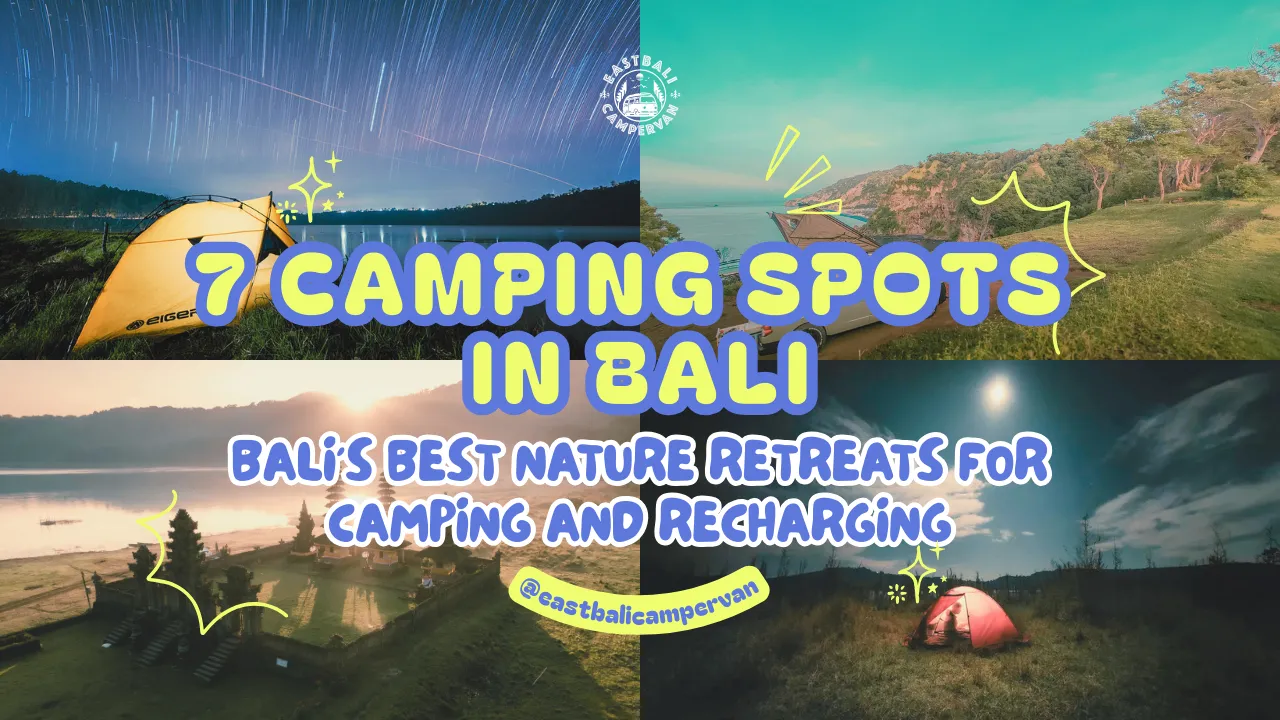
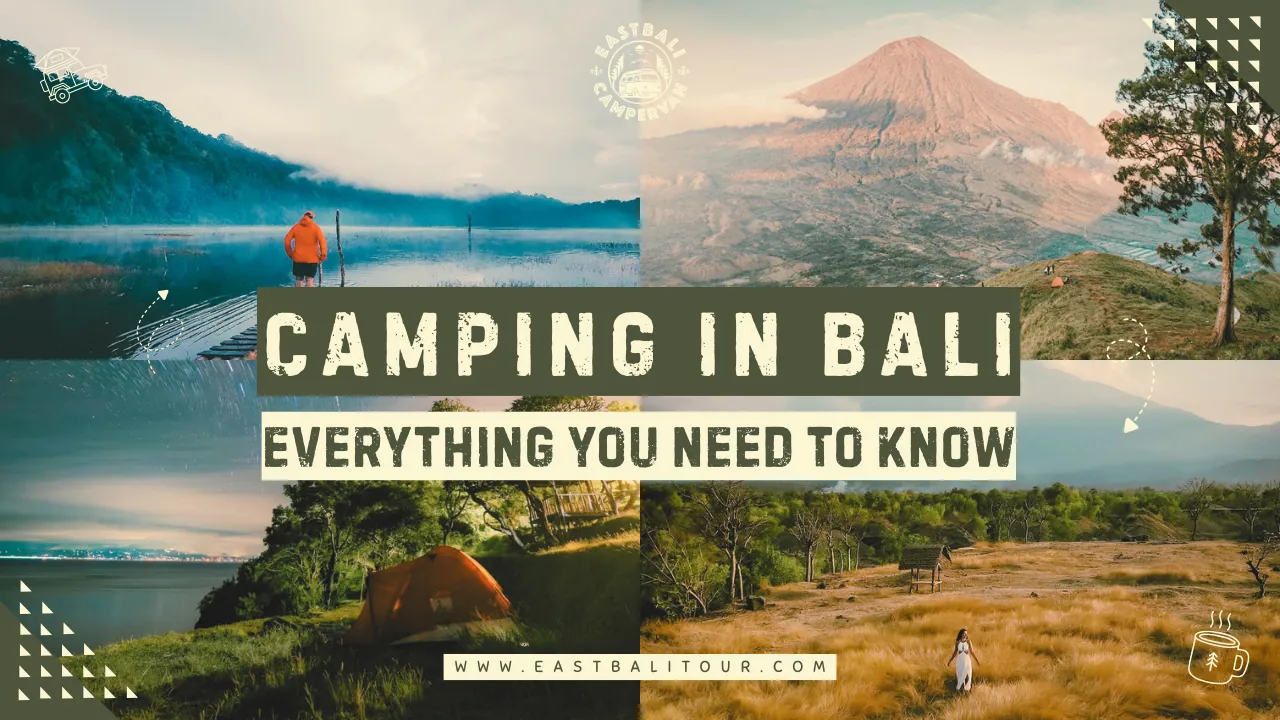
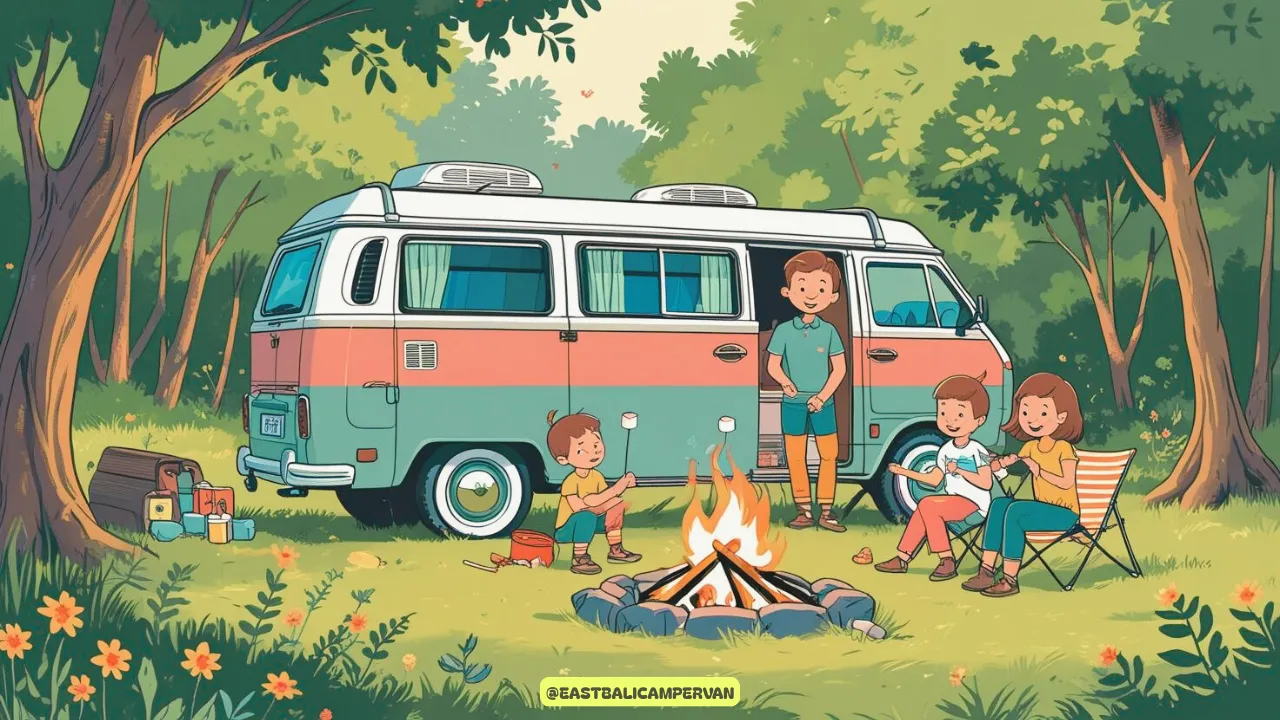
The first and most important step when camping with kids is selecting the right location. Look for campsites with basic amenities such as toilets, clean water, and play areas, like the Bukit Asah Karangasem campsite. Avoid extreme or overly remote locations.
Tips:
Opt for a flat terrain to make setting up the tent easier.
Ensure easy vehicle access, especially if bringing a baby or young child.
Check reviews from other families to ensure the site is kid-friendly.
2. Prepare Camping Gear Carefully
Children need extra comfort when outdoors. Choose camping equipment that matches your child’s age and abilities.
Important checklist:
A large, weatherproof tent.
Warm and comfortable sleeping bags.
Thick mats or inflatable mattresses.
Flashlights or headlamps for each family member.
Personal medications and a first aid kit.
Remember, your child’s comfort while sleeping will significantly impact the camping experience the next day.
3. Plan Fun Activities
Camping with kids is not just about sleeping outdoors, but also creating exciting adventures. Plan activities that everyone in the family can enjoy.
Fun activities for kids while camping:
Searching for leaves or insects and learning about different species.
Building a campfire and roasting marshmallows.
Storytelling before bed in the tent.
Playing card games or board games.
Activities like these can reduce children’s reliance on gadgets and enrich their experiences.
4. Bring Kids’ Favorite Foods
A full stomach makes for a happy heart—especially when in the great outdoors. Bring your child’s favorite foods, as well as easy-to-cook instant meals.
Food tips for camping with kids:
Prepare meals at home, such as fried rice, sandwiches, or pasta.
Bring healthy snacks like sliced fruits, nuts, or whole grain bread.
Remember to pack eating utensils, a thermos, and refillable water bottles for convenience and hydration.
Try to maintain a balanced diet for your child, even while on an adventure.
5. Teach Kids About Nature and Safety
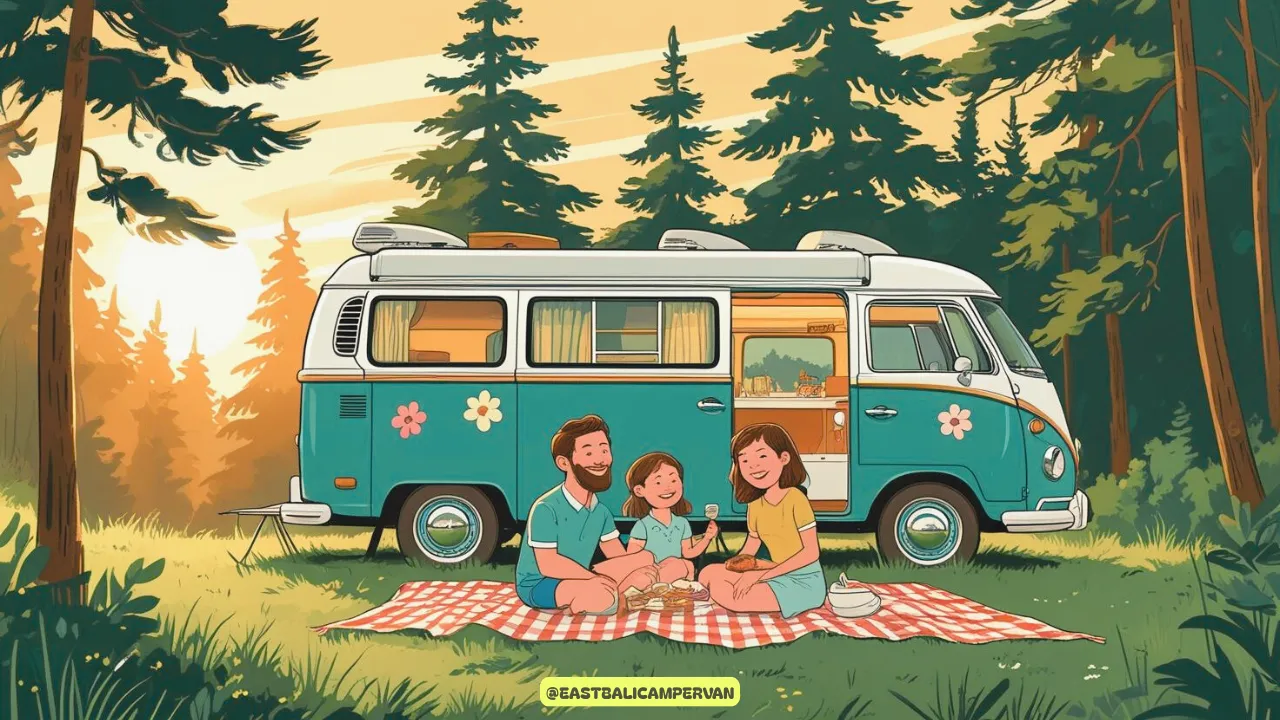
Camping is a golden opportunity to educate children on the importance of loving and preserving nature. Involve them in activities like setting up the tent, cleaning up trash, or cooking simple meals.
Things to teach:
Don’t litter.
Don’t pick plants or disturb wild animals.
Be cautious with the campfire, always under adult supervision.
This way, children will learn responsibility and empathy toward the environment.
6. Appropriate Clothing and Gear for the Weather
Weather in nature can change dramatically. Make sure children have suitable clothing for both daytime and nighttime.
What to prepare:
Warm jackets and raincoats.
Closed shoes and comfortable sandals.
Hats, sunscreen, and insect repellent lotion.
Enough spare clothes that are easy to dry.
Unexpected weather can make kids cranky if they’re not equipped with the right gear.
7. Maintain Mood and Flexibility
Lastly, be flexible. Camping with kids doesn’t always go smoothly. They might get bored, cranky, or want to head home earlier than planned.
Tips to keep the camping mood positive:
Listen to your child’s needs and feelings.
Don’t force a packed schedule.
Let kids choose the activities they want to do.
Remember, the main goal of camping with kids is to create a fun experience, not perfection.
Other Additional Tips for Camping with Kids
1. Set Clear Camping Rules for Kids
Before the trip begins, take time to explain simple and clear camping rules to your children. Setting expectations early helps prevent accidents, keeps kids safe, and reduces stress for parents during the trip.
Important rules to establish:
Stay within the designated camping area and never wander alone
Always inform parents before going anywhere
Do not play near water, cliffs, or campfires without adult supervision
Follow quiet hours, especially in the evening and at night
When kids understand the rules and the reasons behind them, they feel more responsible, confident, and secure while camping.
2. Create a Comfortable Sleeping Routine
Good sleep is essential when camping with kids. Poor rest can quickly lead to cranky moods and an unpleasant experience the next day.
Tips for better sleep while camping:
Maintain familiar bedtime routines such as storytelling, prayers, or soft music
Bring a favorite pillow, blanket, or stuffed toy from home
Change into warm pajamas early to avoid night chills
Use soft, dim lighting inside the tent or campervan
A cozy sleeping environment helps children relax, feel safe, and adjust more easily to sleeping outdoors.
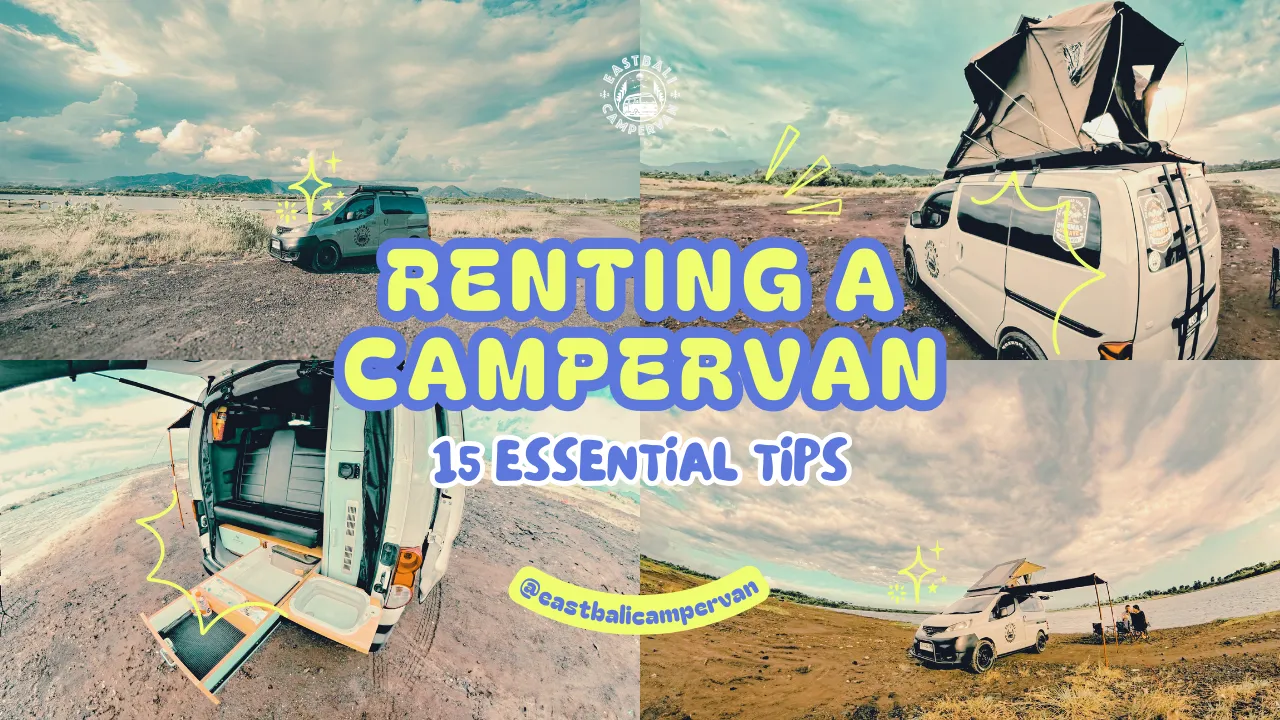
3. Choose the Right Camping Style: Tent vs Campervan
Choosing the right camping setup can significantly impact your family’s comfort—especially when traveling with kids.
Tent camping is great for:
Teaching children basic outdoor skills
Short camping trips in mild weather
Campsites with good toilet and water facilities
Campervan camping is ideal for:
Families with toddlers or babies
Cooler or unpredictable weather conditions
Parents who prefer extra comfort, storage, and convenience
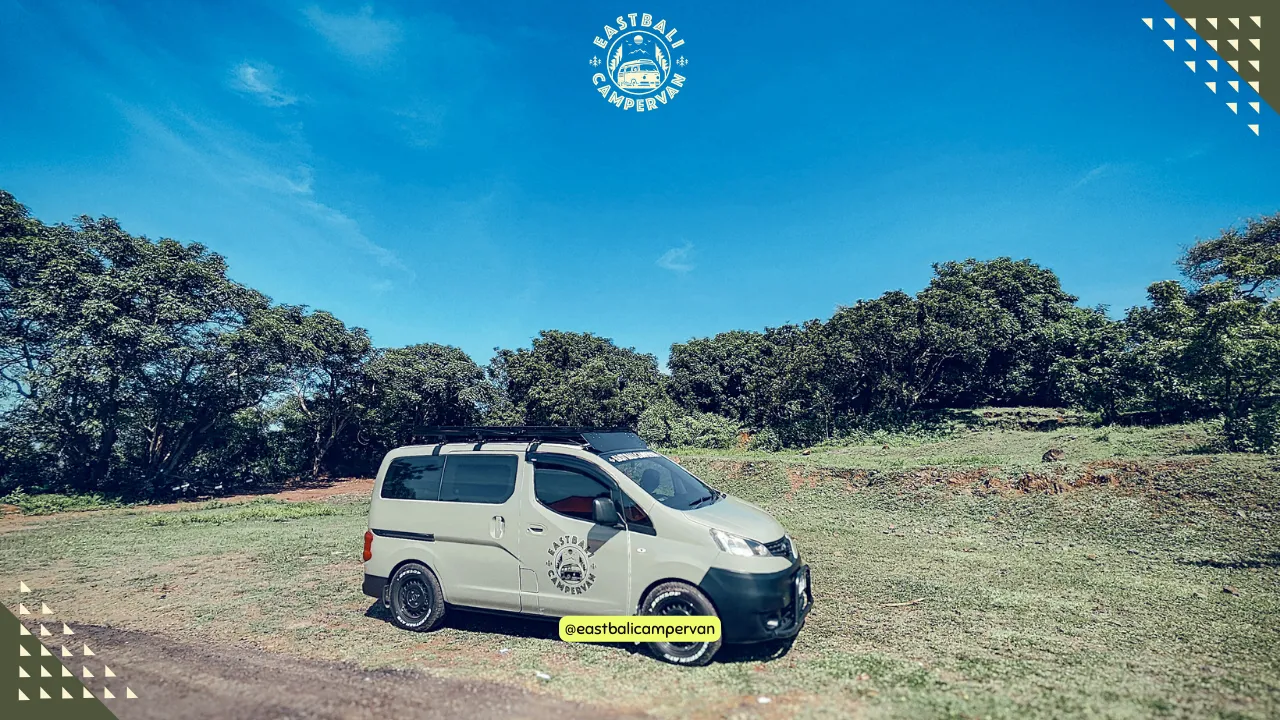
Campervans offer better insulation, a proper sleeping surface, and easier access to food and supplies—making them a stress-free option for family camping adventures.
4. Prepare for Emergencies and Health Needs
Safety should always be a top priority when camping with children. Even small health issues can feel more serious in outdoor settings.
Emergency essentials to pack:
First-aid kit with child-specific medication
Thermometer and fever medicine
Emergency contact numbers saved offline
Extra flashlight and spare batteries
Being prepared allows parents to respond calmly to unexpected situations and ensures kids can enjoy the trip without worry.
5. Encourage Kids to Disconnect from Gadgets
Camping is the perfect opportunity to reduce screen time and reconnect as a family in nature.
Ways to limit gadget use:
Set specific phone-use times (photos or emergencies only)
Replace screen time with outdoor games, exploration, and storytelling
Encourage kids to draw, journal, or collect leaves and stones
Without constant digital distractions, children become more creative, curious, and engaged with their natural surroundings—making camping a truly meaningful experience.
Closing Thoughts
Camping with kids is not just a vacation activity but a valuable moment to bring the family together in a warm and bonding atmosphere. Amidst the daily hustle, taking time to adventure outdoors can be the best way to foster closer communication with your little ones. There, without the distractions of technology and routines, children have space to play freely, imagine, and learn directly from their surroundings.
With careful planning—such as choosing a kid-friendly camping site in Bali, bringing comfortable gear, and preparing educational activities like plant identification, campfire building, and cooking together—camping becomes an unforgettable experience that touches the heart. Children learn to become more independent, appreciate nature’s beauty, and understand the importance of environmental conservation. Meanwhile, parents enjoy quality time that strengthens the emotional bond with their children.
Flexibility is also key to ensuring everything goes smoothly. When kids get bored or the weather turns unfavorable, create a fun atmosphere with stories, family games, or their favorite foods. Remember, the essence of camping with kids lies not in a perfect schedule but in the warmth and togetherness created throughout the journey.
✨ Ready to pack your bags and create beautiful memories through a fun camping trip with your kids?
Read also: 15 Essential Tips Before Renting a Campervan in Bali