Bali Camping Guide
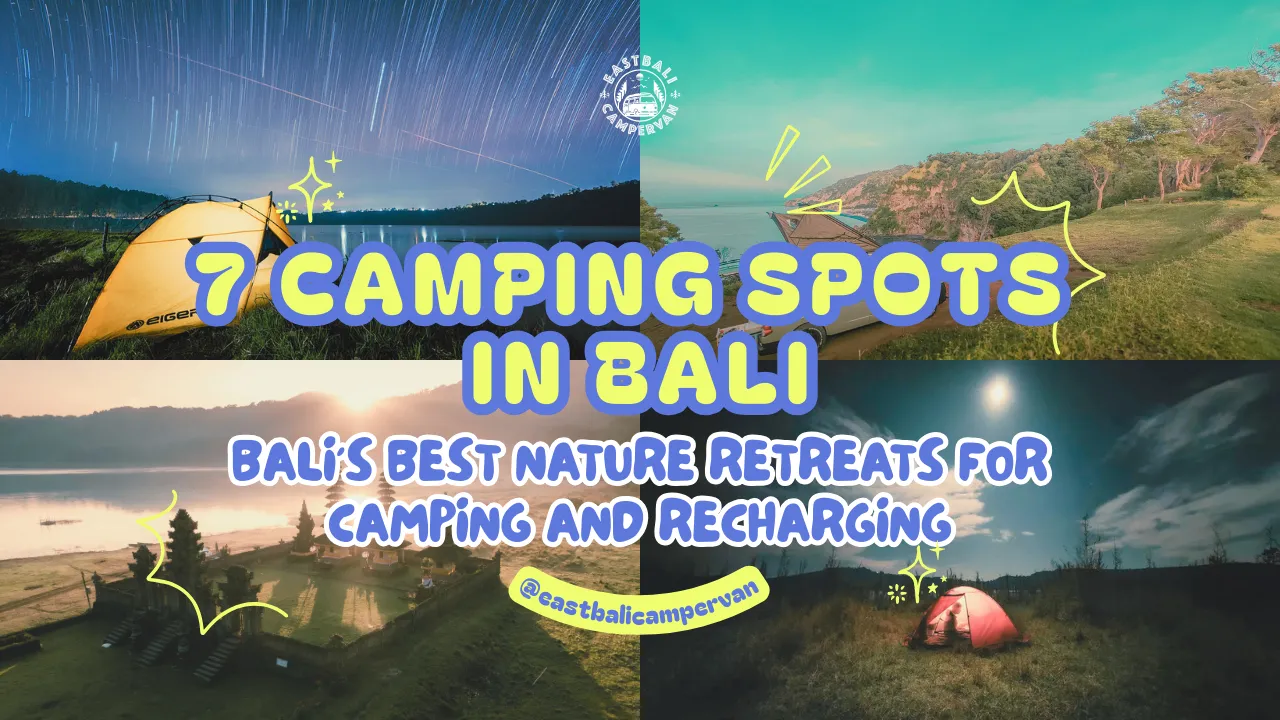
Camping in Bali is an experience that goes far beyond sleeping outdoors. It is about slowing down, reconnecting with nature, and discovering a side of the island that many visitors never see. While Bali is often associated with luxury resorts, beach clubs, and bustling tourist streets, the island also offers misty mountain lakes, quiet savannas, black-sand beaches, and peaceful villages that are perfect for camping.
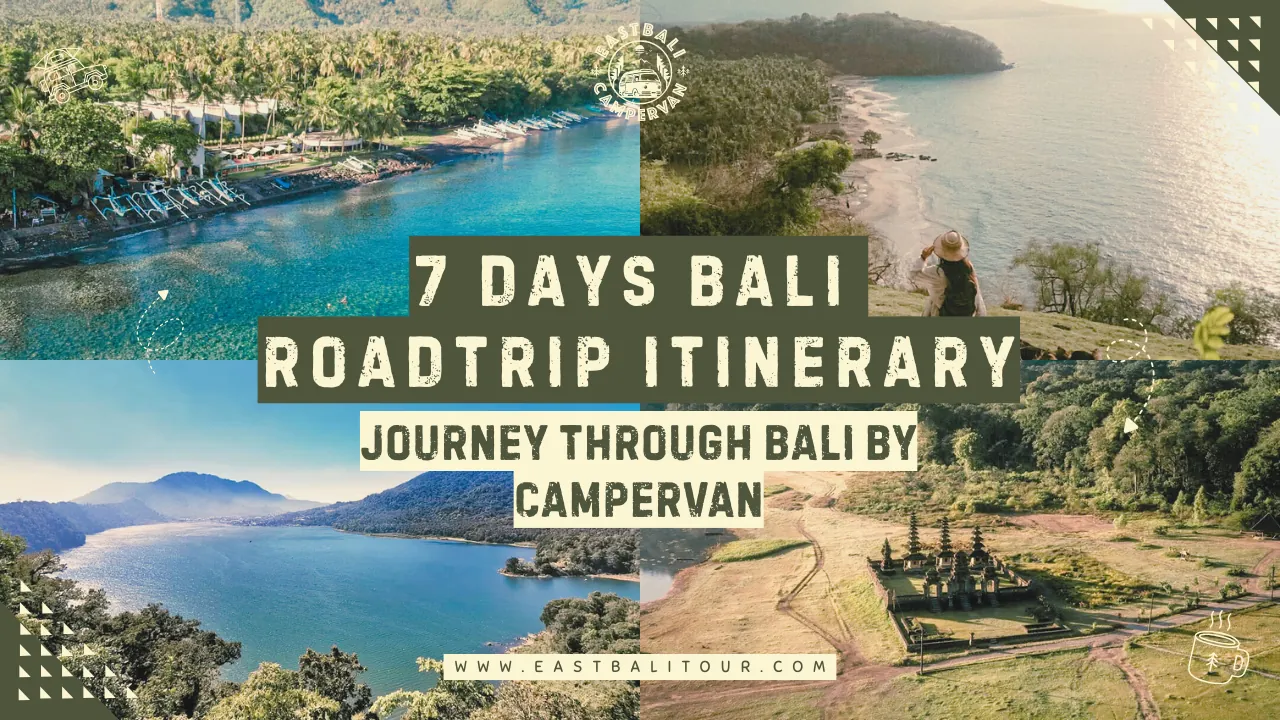
From beachside sunsets in Amed to cool highland nights near Mount Batur, camping in Bali allows travelers to experience the island in a more personal and meaningful way. Whether staying in a tent, joining a managed campground, or exploring Bali with a rental campervan, camping opens the door to freedom, flexibility, and unforgettable landscapes.
This guide covers everything you need to know about camping in Bali—from where to camp and what to bring, to costs, safety tips, the best seasons, and why campervan camping is becoming one of the most popular ways to explore the island.
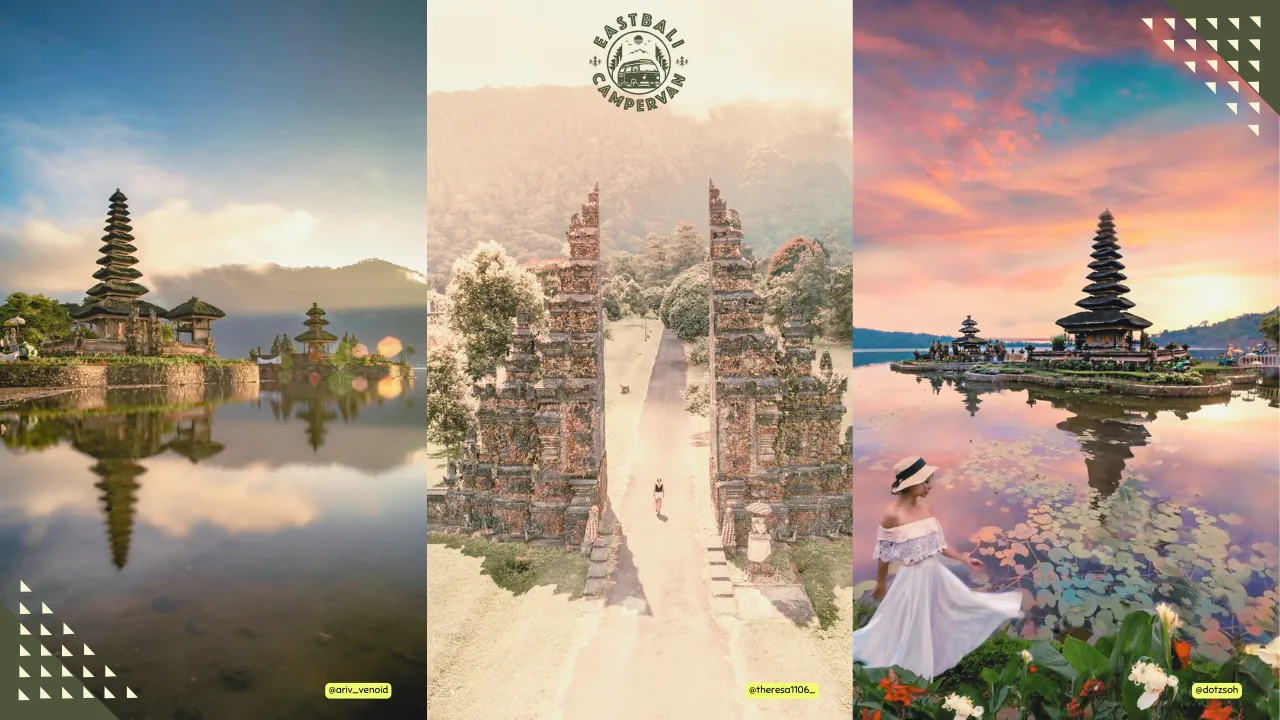
Why Camping in Bali Is Becoming More Popular
In recent years, camping in Bali has grown rapidly in popularity, especially among travelers seeking nature-based experiences. Several factors contribute to this trend:
Increasing interest in slow travel and eco-friendly tourism
Desire to escape crowded tourist areas
Rising popularity of campervan travel
Social media exposure of Bali’s hidden natural spots
Camping allows visitors to experience Bali beyond hotels and resorts. Waking up to birdsong, cooking simple meals outdoors, and watching sunrise over mountains or ocean creates a deeper connection to the island.
For many travelers, camping is no longer just an alternative accommodation—it is a lifestyle choice.
Is Camping Allowed in Bali?
Yes, camping is allowed in Bali, but it must be done responsibly.
Camping is generally permitted in:
Designated camping grounds
Privately managed camping areas
Some beaches and lakes (with local permission)
Camping is not recommended in:
Sacred temple areas
Protected conservation zones
Random roadside or village land without permission
Most popular camping spots in Bali are community-managed or privately owned, where visitors pay a small fee and gain access to basic facilities. Respecting local customs, asking permission when needed, and following campsite rules are essential parts of camping in Bali.
Best Types of Camping in Bali
1. Beach Camping
Beach camping is one of the most iconic experiences in Bali. Popular beach camping areas include East Bali and North Bali, where the coastline is quieter and less commercial.
What to expect:
Sound of waves throughout the night
Sunrise views over the ocean
Warm daytime temperatures, cooler evenings
Popular beach camping areas:
Amed & Tulamben
Virgin Beach (East Bali)
Keramas Beach
Tianyar Savanna coast
Beach camping is ideal for campervans, as many locations offer flat parking areas near the shore.
2. Mountain and Highland Camping
Camping in Bali’s highlands offers cooler temperatures and dramatic scenery. These areas are perfect for travelers who enjoy fresh air, misty mornings, and star-filled skies.
Popular highland camping locations:
Mount Batur & Kintamani
Lake Beratan (Bedugul)
Buyan & Tamblingan Lakes
Sidemen hills
Nighttime temperatures can drop significantly, so warm clothing and proper sleeping gear are essential.
3. River and Jungle Camping
River and jungle camping provides a peaceful atmosphere surrounded by greenery and flowing water.
Common features:
Shaded camping areas
Natural sounds of rivers and insects
Cooler daytime temperatures
Locations such as Anglung River Camp near Gianyar are popular for families and beginner campers due to their calm environment and accessibility.
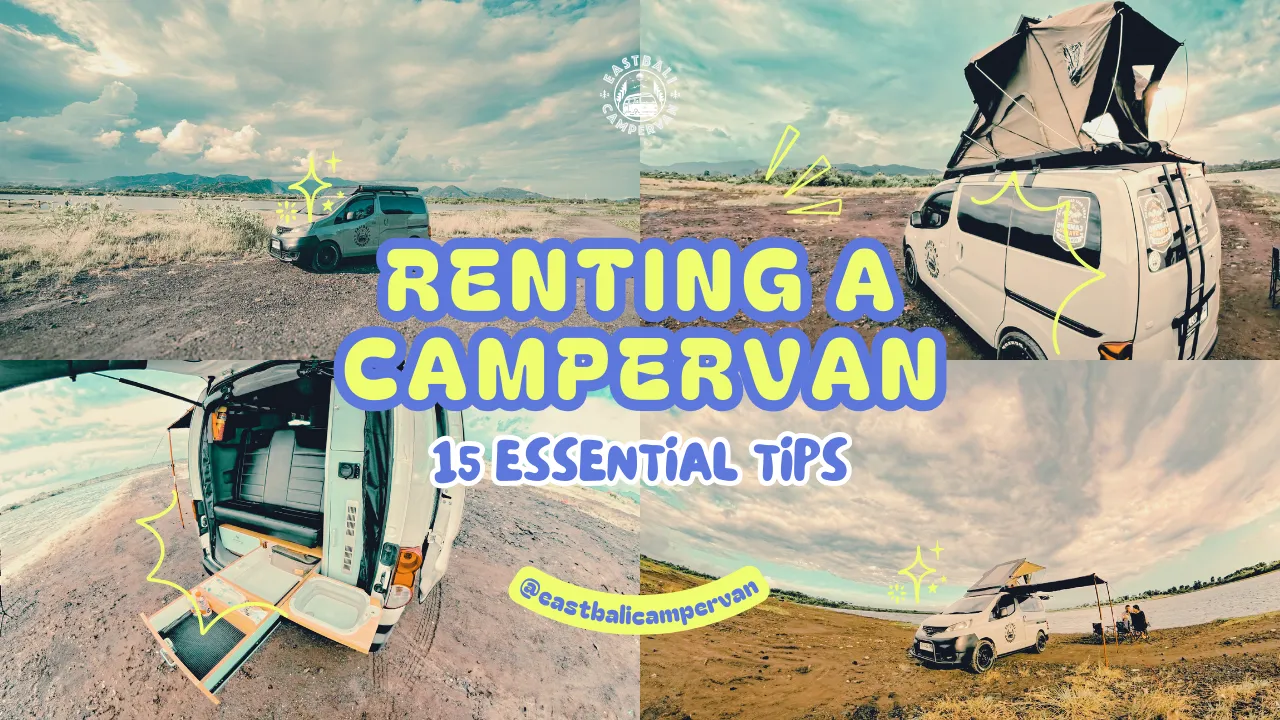
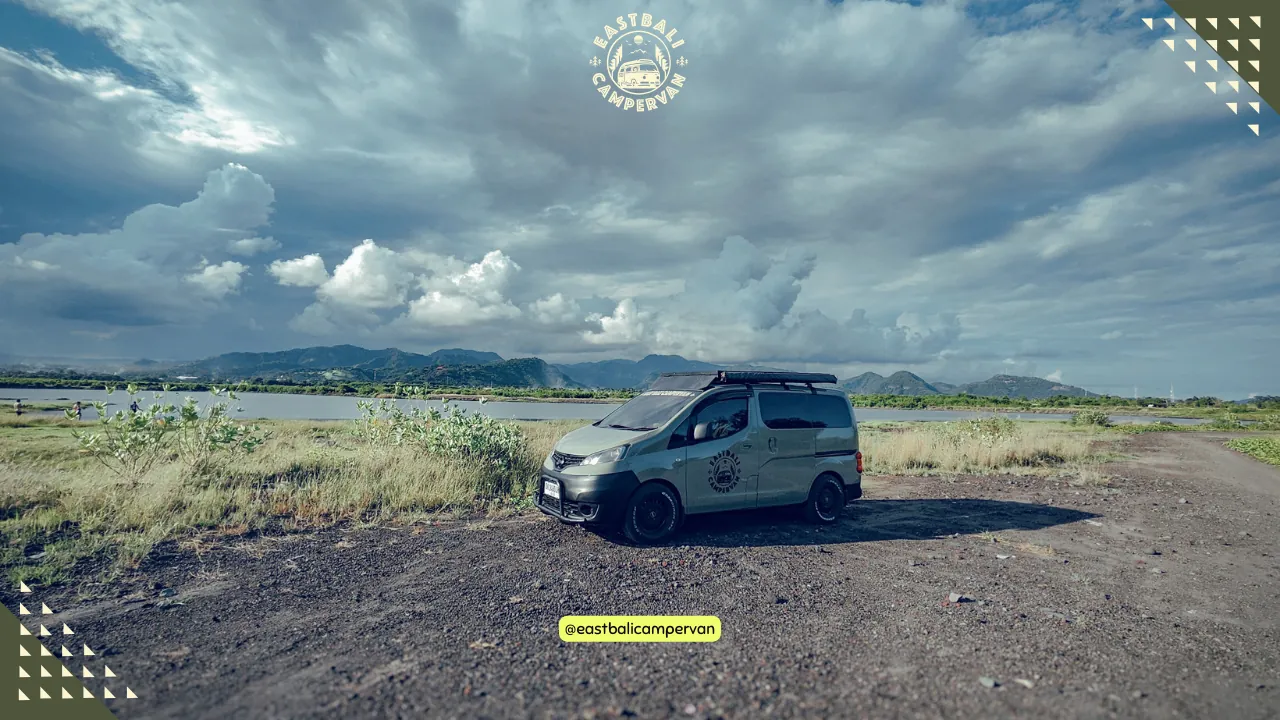
Camping with a Rental Campervan in Bali
Why Campervan Camping Is Ideal in Bali
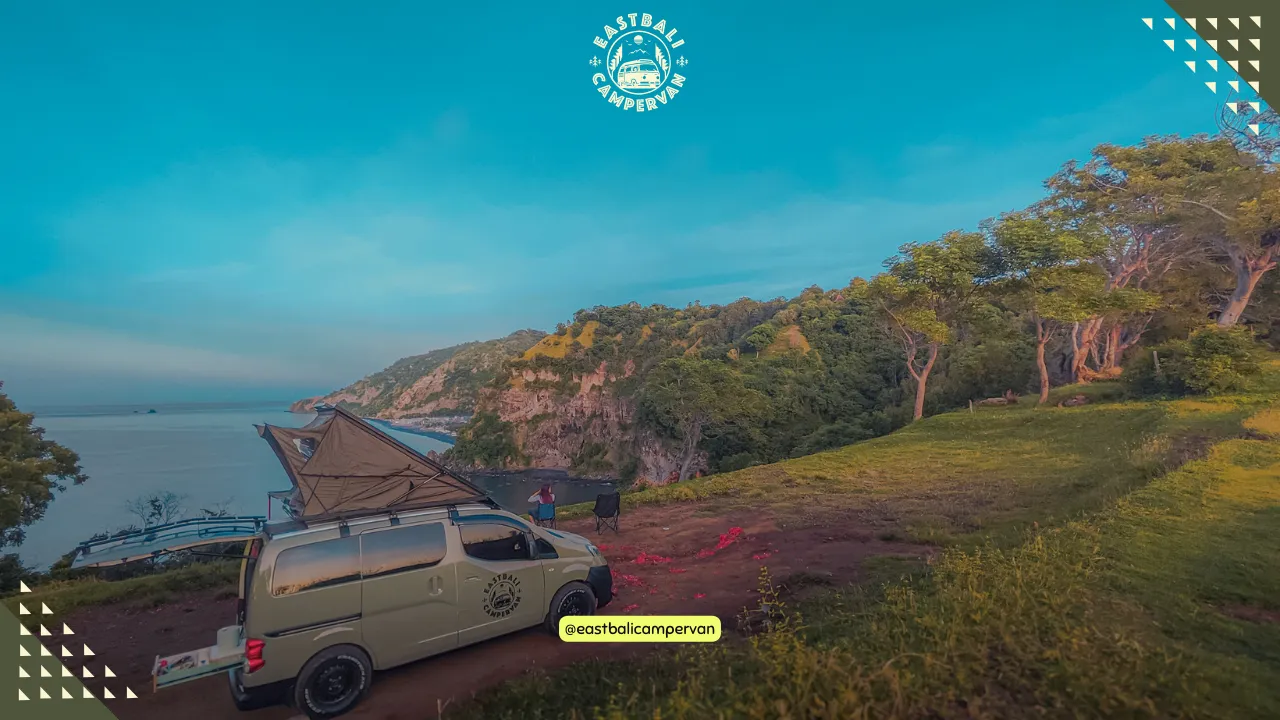
Camping with a rental campervan in Bali offers unmatched flexibility. Instead of setting up and packing tents every day, travelers can move comfortably from one destination to another while carrying everything they need.
Key advantages of campervan camping:
No need to book hotels
Comfortable sleeping setup
Protection from rain and wind
Easy access to food, gear, and storage
Campervans are especially suitable for Bali’s varied landscapes, allowing travelers to transition seamlessly from beaches to mountains.
What a Bali Campervan Usually Includes
Most campervan rentals in Bali come equipped with:
Mattress or sleeping platform
Interior lighting
Power outlets or power station
Storage space
Portable cooking equipment (depending on package)
Some campervans are designed specifically for couples, while others accommodate small families.
Campervan Camping Costs in Bali
Costs vary depending on location and facilities, but on average:
Campervan rental: IDR 600,000 – 1,200,000 per day
Camping ground fee: IDR 20,000 – 50,000 per person per night
Compared to hotels, campervan camping can be very cost-effective, especially for longer trips.
Best Camping Spots in Bali (Overview)
Bali offers a surprisingly diverse range of camping environments, from dramatic cliffside coastlines and quiet black-sand beaches to misty mountain lakes and wide-open savannas. Each region of the island has its own character, climate, and camping style. Understanding these differences helps travelers choose the right locations based on scenery, comfort level, and travel pace—especially when exploring Bali by campervan.
Below is an overview of the best camping regions in Bali, highlighting what makes each area special and why they are favored by campers and campervan travelers alike.
East Bali
East Bali is widely regarded as one of the best regions for camping in Bali, particularly for travelers seeking tranquility and natural beauty away from mass tourism. Compared to the south, East Bali feels slower, more authentic, and deeply connected to local village life.
This region offers a unique combination of coastal cliffs, quiet beaches, rolling hills, and traditional villages, making it ideal for multi-day camping routes.
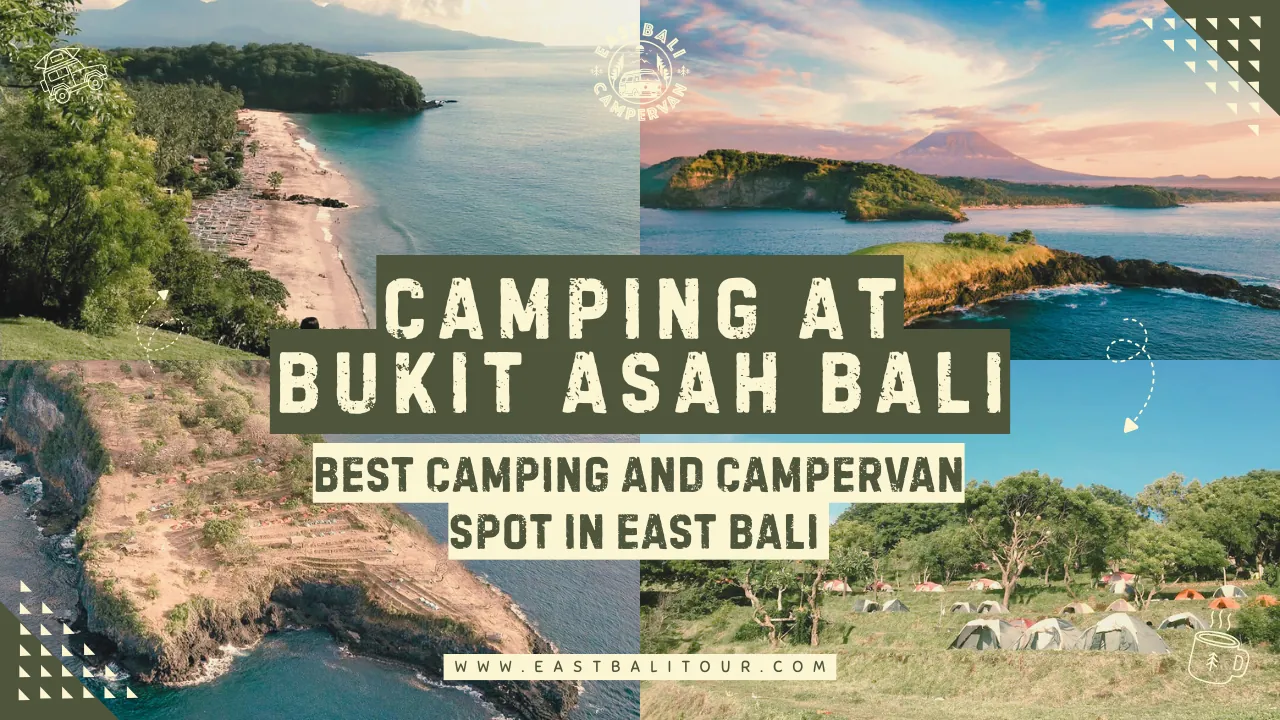
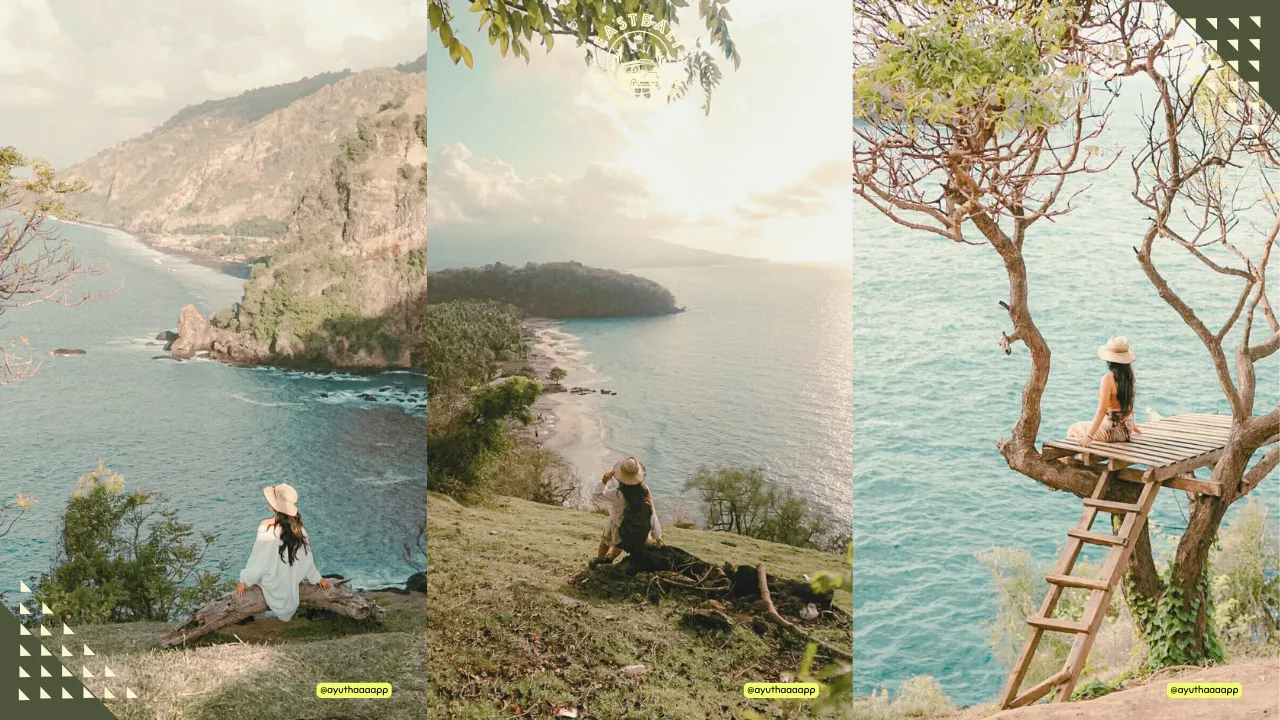
Bukit Asah Camping GroundBukit Asah is one of the most iconic camping spots in East Bali. Located on a grassy cliff overlooking the Indian Ocean, it offers panoramic sunrise views and dramatic coastal scenery.
Virgin Beach camping areas
Virgin Beach (also known as Pasir Putih) is famous for its clear water and white sand. While the main beach area attracts day visitors, quieter sections nearby are suitable for low-impact camping with local permission.
Amed & Batu Belah coast
The Amed coastline stretches across several small fishing villages, offering black-sand beaches, coral reefs, and Mount Agung as a dramatic backdrop.
North Bali
North Bali is known for its cooler temperatures, lush forests, and expansive landscapes. Camping here feels completely different from coastal Bali, offering fresh air, misty mornings, and serene silence.
This region is ideal for travelers who enjoy nature, photography, and slower-paced camping experiences.
Buyan Lake
Lake Buyan is part of the twin lakes area in Bedugul and is one of the most popular camping destinations in North Bali.
Tamblingan Lake
Tamblingan Lake offers a more mystical and secluded atmosphere compared to Buyan. Surrounded by dense forest and traditional temples, it feels deeply spiritual and untouched.
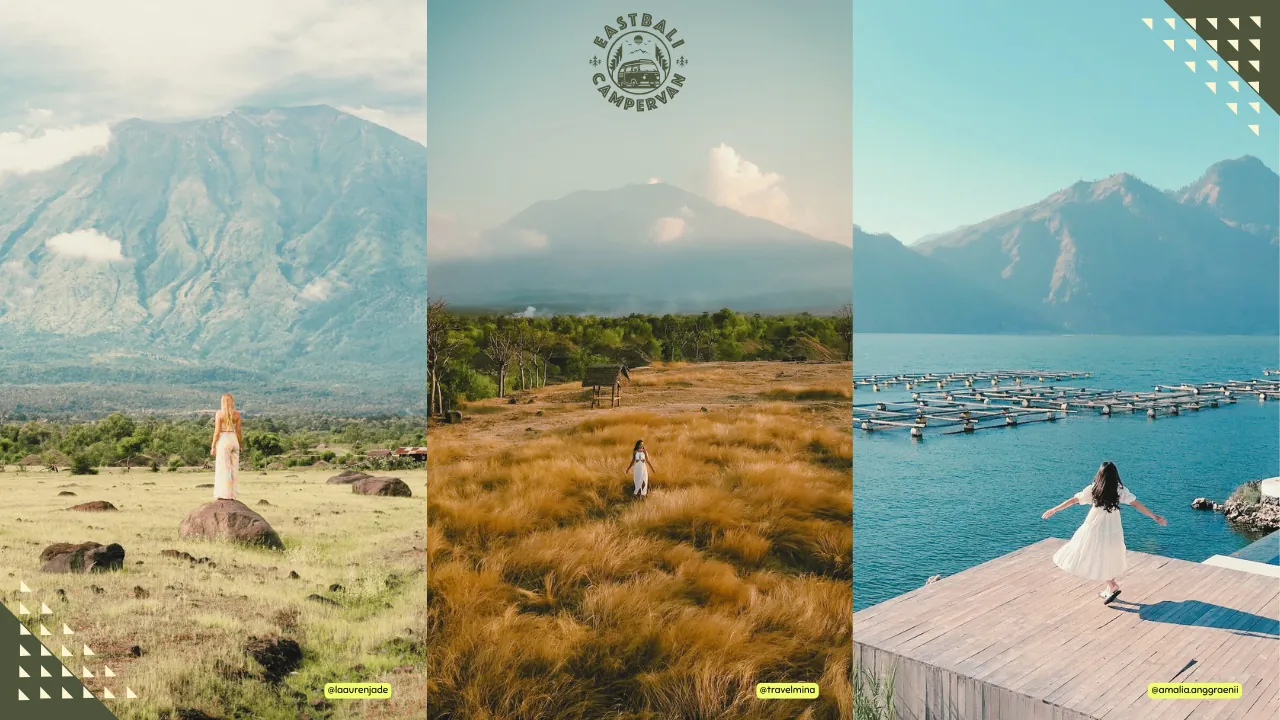
Located on Bali’s northeastern coast, Tianyar Savanna is a wide, open landscape with views of Mount Agung and the sea. This area feels almost otherworldly compared to the rest of Bali.
Central Bali
Central Bali combines natural beauty with cultural significance. Camping here often means cooler temperatures, volcanic scenery, and proximity to major cultural attractions.
- Mount Batur & Kintamani
The Mount Batur region is one of Bali’s most famous highland areas. Camping here provides front-row views of an active volcano and Lake Batur below.
- Lake Beratan (Bedugul)
Lake Beratan is one of Bali’s most photographed locations, home to the iconic Ulun Danu Beratan Temple. Camping near the lake offers a calm and refreshing environment.
These camping regions share several advantages:
Quieter surroundings compared to southern Bali
Scenic views ranging from ocean cliffs to volcanic lakes
Campervan-friendly access with manageable roads and parking areas
Stronger connection to local culture and nature
By focusing on East Bali, North Bali, and Central Bali, campers can experience the island’s most authentic landscapes while avoiding crowded tourist zones.

Best Time for Camping in Bali
Choosing the right time to go camping in Bali plays a crucial role in shaping the overall experience. While Bali’s tropical climate allows camping throughout the year, seasonal differences greatly affect weather conditions, road access, comfort levels, and safety—especially for campervan travelers. Understanding these seasonal patterns helps ensure a smoother, more enjoyable outdoor adventure.
Dry Season (April – October): The Ideal Camping Period
The dry season is widely considered the best time for camping in Bali, offering stable weather, clear skies, and comfortable conditions for both tent camping and campervan travel.
Why the Dry Season Is Perfect for Camping
During these months, rainfall is minimal and humidity levels are lower, making outdoor activities more pleasant and predictable.
Key advantages include:
Consistent dry weather, ideal for sleeping outdoors
Clear mornings and sunsets, perfect for photography
Safer road conditions, especially in mountain and rural areas
Easier access to remote camping spots
Comfortable temperatures, particularly in highland regions
For campervan travelers, the dry season allows greater freedom to explore Bali’s coastline, mountains, and lakes without worrying about muddy tracks or sudden downpours.
Best Activities During the Dry Season
Camping during the dry season opens up a wide range of outdoor experiences:
Coastal camping with calm seas and gentle breezes
Sunrise trekking near Mount Batur or Mount Agung
Lake camping in Buyan, Tamblingan, and Beratan
Long campervan road trips through East and North Bali
Nighttime temperatures remain comfortable, especially in lowland and coastal areas, while highland camps offer refreshing cool air ideal for restful sleep.
Rainy Season (November – March): Possible with Extra Preparation
Camping during Bali’s rainy season is still possible, but it requires extra planning, flexibility, and caution. Rainfall tends to be heavier and more frequent, especially in December and January.
What to Expect in the Rainy Season
Sudden heavy showers, often in the afternoon or evening
Higher humidity levels
Slippery roads in mountain and rural areas
Stronger winds in coastal regions
While landscapes become greener and more dramatic, conditions can be unpredictable.
Essential Preparations for Rainy-Season Camping
If camping during the rainy season, proper preparation is essential:
Waterproof tents and rainfly covers
Dry bags to protect electronics and clothing
Flexible itineraries in case plans need to change
Extra blankets and warm clothing for damp nights
Avoidance of flood-prone areas, riverbanks, and steep slopes
For campervan travelers, choosing established camping grounds with proper drainage is strongly recommended.
Seasonal Tips for Campervan Travelers
Campervans offer better protection from rain and wind compared to tents, making them a popular option during shoulder and rainy seasons. However, seasonal awareness remains important.
Dry season: Best overall experience with maximum mobility
Shoulder months (April & October): Fewer crowds and pleasant weather
Rainy season: Suitable for short trips and flexible routes
Road conditions in Bali can vary greatly by region. Highland roads near lakes and volcanoes are best visited during dry months to avoid fog, mud, and reduced visibility.
What to Bring When Camping in Bali
(Including Options for Renting Camping Gear & Tents)
Preparing the right equipment is essential for a safe, comfortable, and enjoyable camping experience in Bali. The good news is that camping in Bali doesn’t always require heavy packing—many locations offer camping gear and tent rentals, and campervan travelers already have most necessities onboard.
Below is a practical breakdown to help you decide what to bring, what to rent, and what you can skip.
Essential Gear (Must-Have Items)
Whether you bring your own equipment or rent locally, these essentials should never be overlooked:
Sleeping bag or thick blanket – Nights can get cold, especially in highland areas like Bedugul, Kintamani, and Mount Batur
Warm jacket or hoodie – Temperatures can drop to 15–18°C in the mountains
Flashlight or headlamp – Crucial for nighttime movement and safety
Power bank – Electricity is often limited or unavailable at camping grounds
Even if you rent a tent, personal items like jackets and lighting are best brought from home.
Cooking & Food Supplies
Food preparation while camping in Bali can be simple and enjoyable:
Portable stove & gas canister (if cooking independently)
Drinking water (always bring extra)
Easy-to-cook meals such as instant noodles, rice packs, eggs, or canned food
Coffee or tea ☕ – A must-have for peaceful mornings in nature
👉 Tip: Many camping grounds are near small local shops (warung), but options may be limited at night.
Hygiene & Safety Essentials
Maintaining cleanliness and health is part of responsible camping:
Trash bags (mandatory – always pack out your waste)
Biodegradable soap for dishes and personal use
First-aid kit (include personal medication)
Insect repellent – Especially important near lakes and forests
Camping in Bali emphasizes Leave No Trace ethics, so cleanliness is not optional.
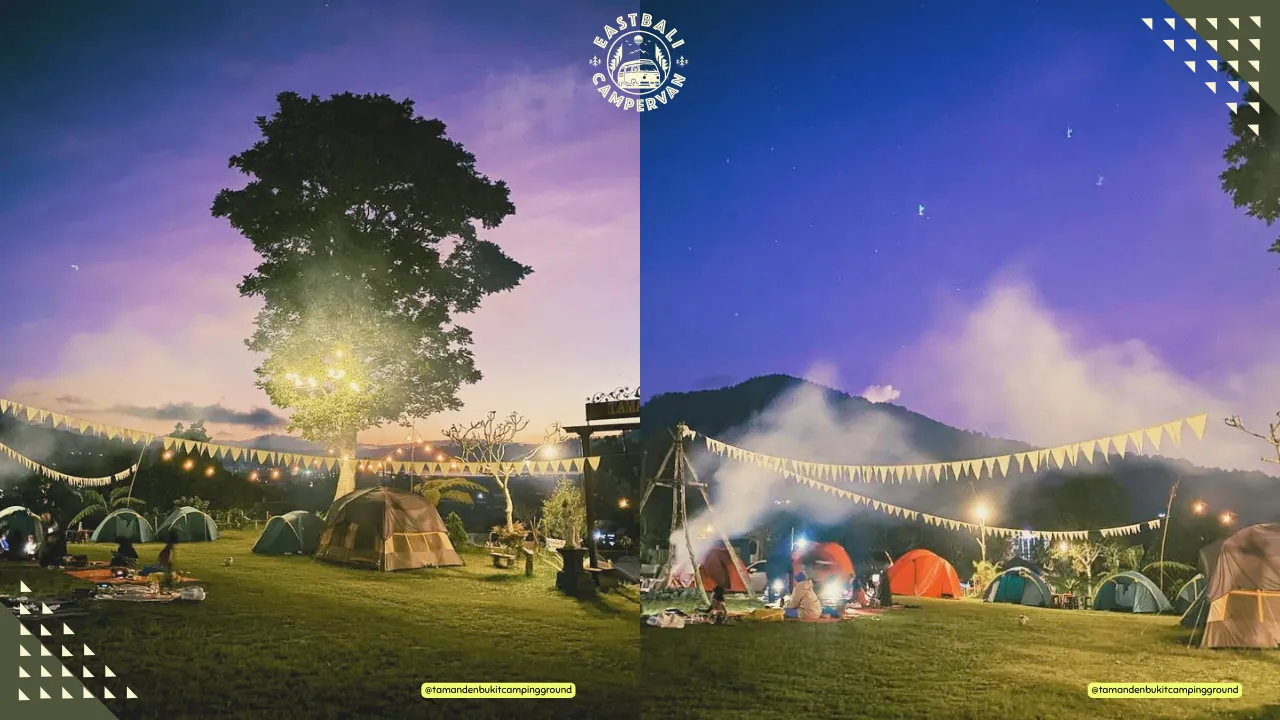
Camping Gear & Tent Rental Options in Bali
For travelers who prefer convenience, Bali offers plenty of camping gear rental services, especially in popular areas like Ubud, Canggu, Denpasar, and near Mount Batur.
What You Can Rent:
Tents (2–4 persons)
Sleeping mats or air mattresses
Sleeping bags and blankets
Camping chairs and tables
Cooking equipment
Complete camping packages
Average Rental Costs:
Tent rental: IDR 100,000 – 200,000 per night
Complete camping set: IDR 150,000 – 350,000 per person
Rental options are ideal for:
Short trips
First-time campers
International travelers
Those avoiding bulky luggage
Many camping grounds also offer on-site tent rental, making planning even easier.
Camping in Bali with Kids
Camping is an excellent family activity when planned properly.
Tips for camping with children:
Choose managed camping grounds
Bring familiar sleeping items
Keep activities simple and fun
Prioritize safety near water and fire
Campervans are especially suitable for families because they provide a controlled, comfortable environment.
Camping Etiquette and Responsible Travel
Responsible camping is essential to preserve Bali’s natural beauty.
Key rules:
Always clean up after yourself
Avoid loud music
Respect local customs
Do not damage plants or wildlife
Following these principles ensures that camping areas remain open and welcoming.
Common Mistakes to Avoid When Camping in Bali
Camping without checking weather forecasts
Ignoring local rules and cultural guidelines
Underestimating cold temperatures in highland areas
Not bringing proper rain protection
Leaving trash or food waste behind
Camping too close to rivers during rainy season
Arriving at campsites too late in the evening
Forgetting insect repellent
Not securing food from animals
Overpacking unnecessary gear
Relying on poor mobile signal for navigation
Tip: Proper planning, respect for nature, and basic preparation make camping in Bali safer, more comfortable, and far more enjoyable.
Final Thoughts: Why Camping in Bali Is Worth It
Camping in Bali offers something rare in modern travel: freedom, simplicity, and genuine connection with nature. Whether sleeping by the ocean, beside a mountain lake, or inside a cozy campervan, camping reveals Bali as a living, breathing landscape rather than a checklist of attractions.
For travelers seeking flexibility, adventure, and meaningful experiences, camping—especially with a rental campervan—transforms the way Bali is explored. It allows days to unfold naturally, guided by sunlight, scenery, and curiosity.
Camping in Bali is not just an activity. It is a way of traveling that stays with visitors long after the journey ends.